
Victoria’s Feed-In Tariff Deregulation: What It Means for Businesses with Solar
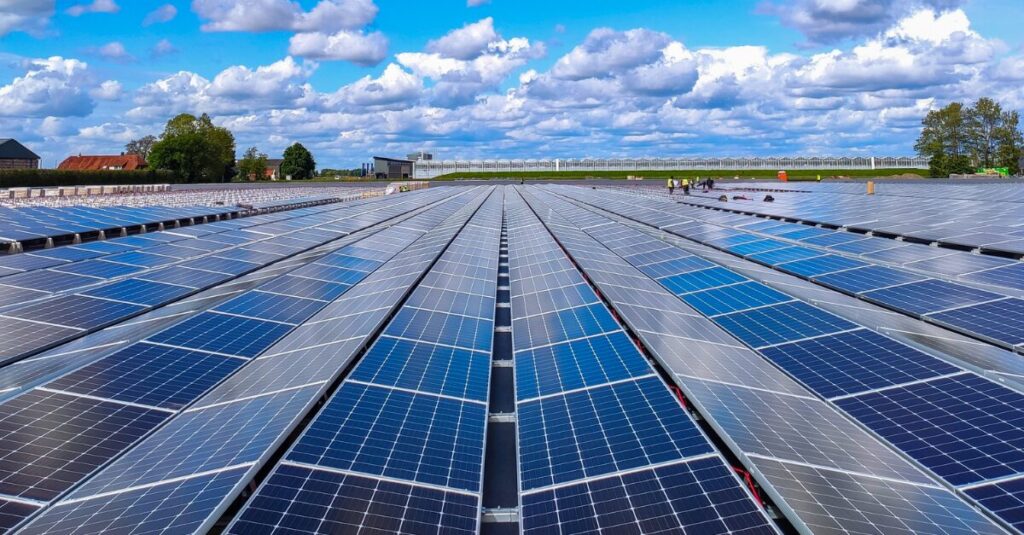
From 1 July 2025, the Victorian Government will remove the regulated minimum feed-in tariff for solar exports. Electricity retailers will now have full discretion over what they pay for solar energy exported to the grid – provided the rate remains above zero. While this may seem like a technical adjustment, it could have real consequences […]
Energy Transition Update: Renewables Reach 43% of Grid
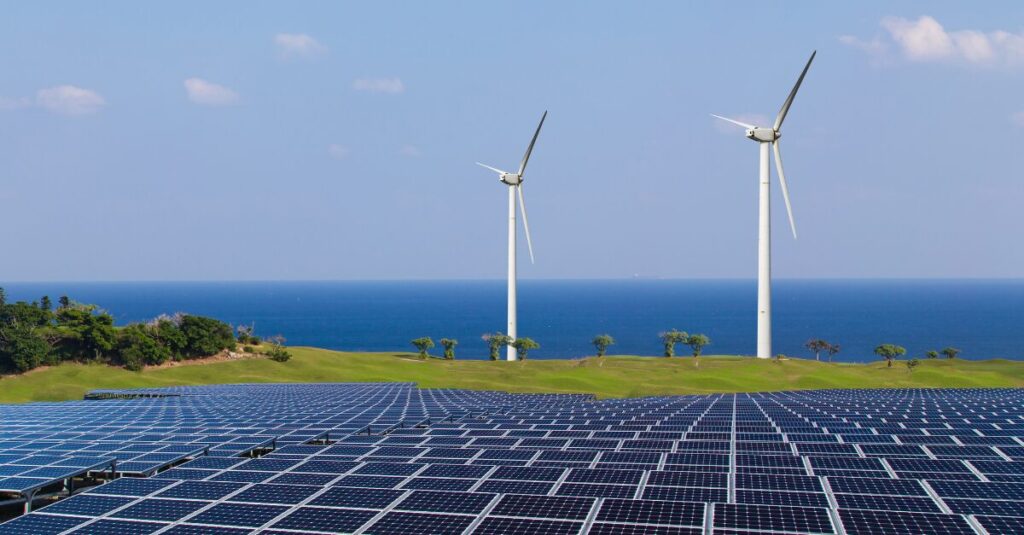
Australia’s energy transition is accelerating and the latest data confirms it. In Q1 2025, renewables supplied 43% of electricity across the National Electricity Market (NEM)—a new record for the first quarter and a clear sign that the energy transition is gaining momentum. This shift is driving changes in pricing, supply patterns and market participation. For […]
Navigating Minimum & Maximum Demand
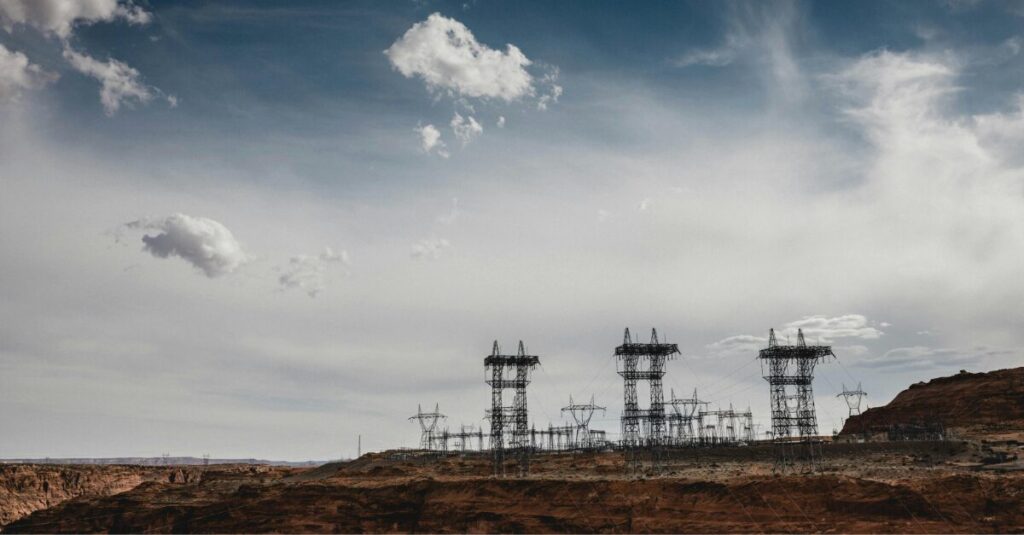
Australia’s energy grid is facing minimum demand records as renewable energy sources, energy storage systems, and increasing demand variability reshape the market. The rise of rooftop solar has lowered minimum demand, while extreme weather events push maximum demand to critical levels, stressing both ageing coal plants and renewables. Batteries offer flexibility but introduce new complexities, such as coordination and market dynamics.
Renewable Energy in Australia: Progress, Potential, and Pitfalls
TL;DR Australia’s renewable energy sector is making a global impact, with renewables already avoiding 200 million tonnes of greenhouse gas emissions—equivalent to taking 20 million cars off the road for two years or offsetting emissions from 260 million hectares of forest. While renewables now account for nearly 40% of Australia’s electricity mix, achieving deeper decarbonisation […]