
AEMO’s Toolkit for Australia’s Energy Transition
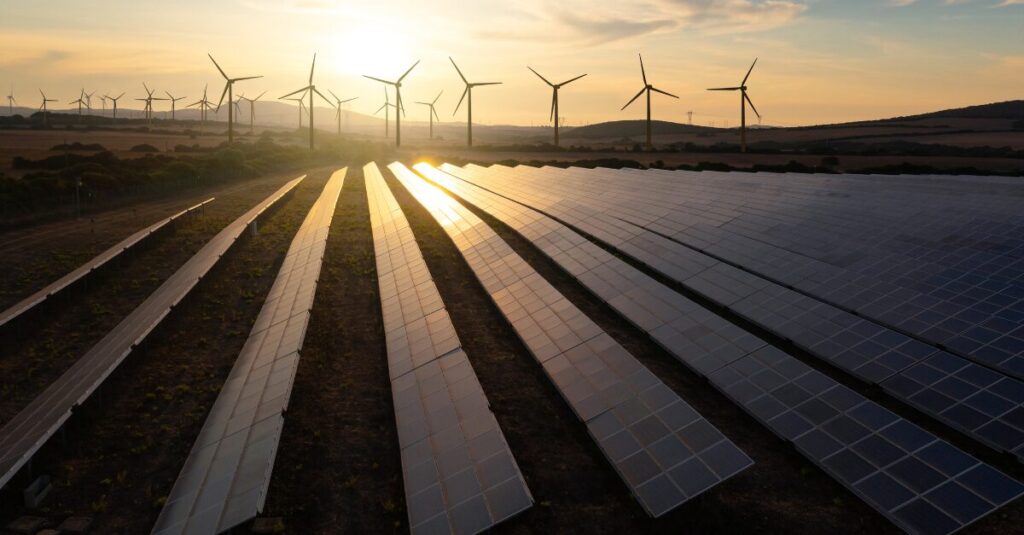
Australia’s energy transition is happening faster than ever. Coal is on the way out, renewables are rapidly scaling up, and transmission infrastructure is being rebuilt for a two-way, decentralised grid. But for many, the what, why, and how of this transformation still feels unclear. That’s where the Australian Energy Market Operator’s new Integrated System Plan […]
Victoria’s Feed-In Tariff Deregulation: What It Means for Businesses with Solar
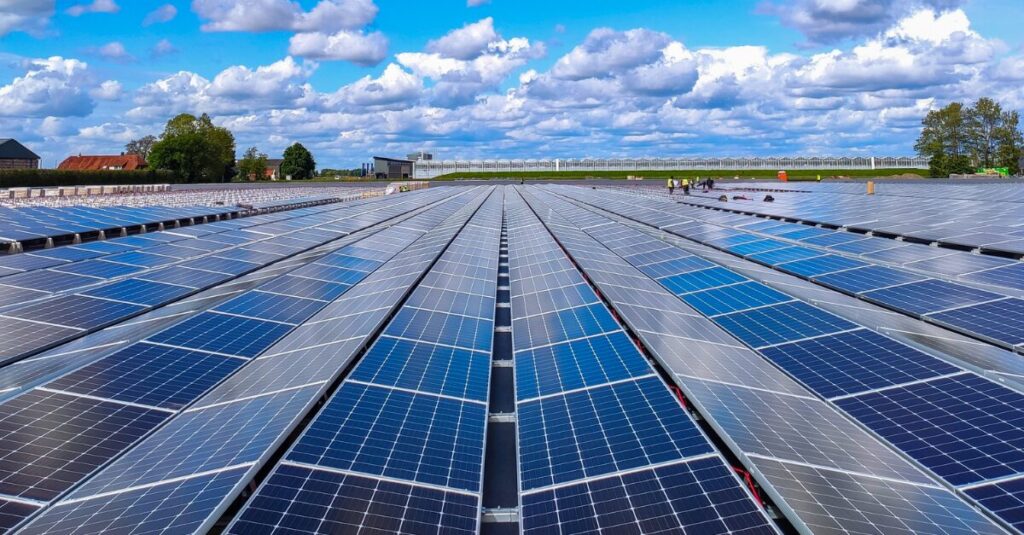
From 1 July 2025, the Victorian Government will remove the regulated minimum feed-in tariff for solar exports. Electricity retailers will now have full discretion over what they pay for solar energy exported to the grid – provided the rate remains above zero. While this may seem like a technical adjustment, it could have real consequences […]
What Australia Can Learn from Germany’s Grid Fee Overhaul
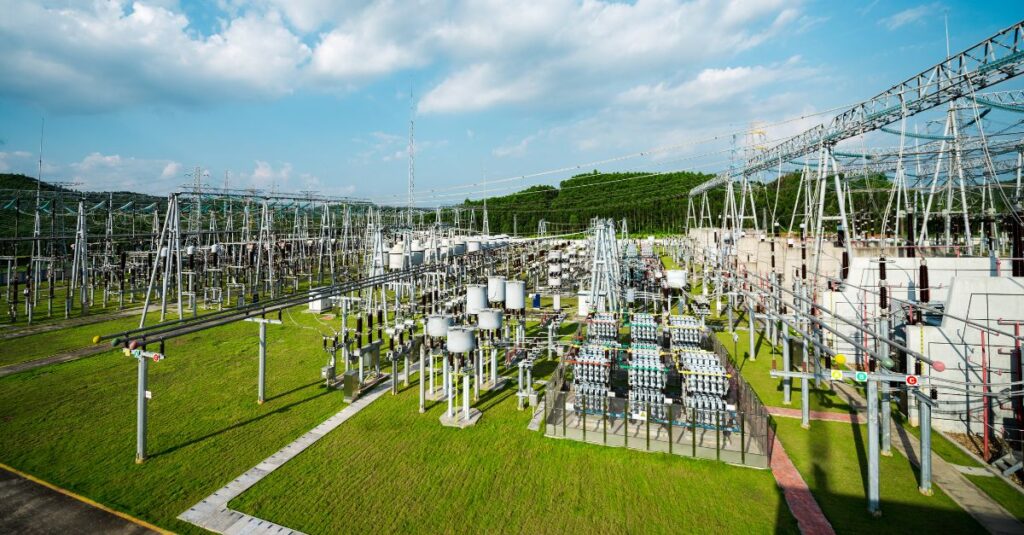
Germany’s electricity regulator has fired up the conversation on what could be a transformational shake-up of it’s electricity grid fee structure, signalling a move away from static pricing and towards a model that better supports renewable integration and smarter consumption. For Australia, where we face our own challenges in balancing affordability, sustainability and network investment, […]
Energy Transition Update: Renewables Reach 43% of Grid
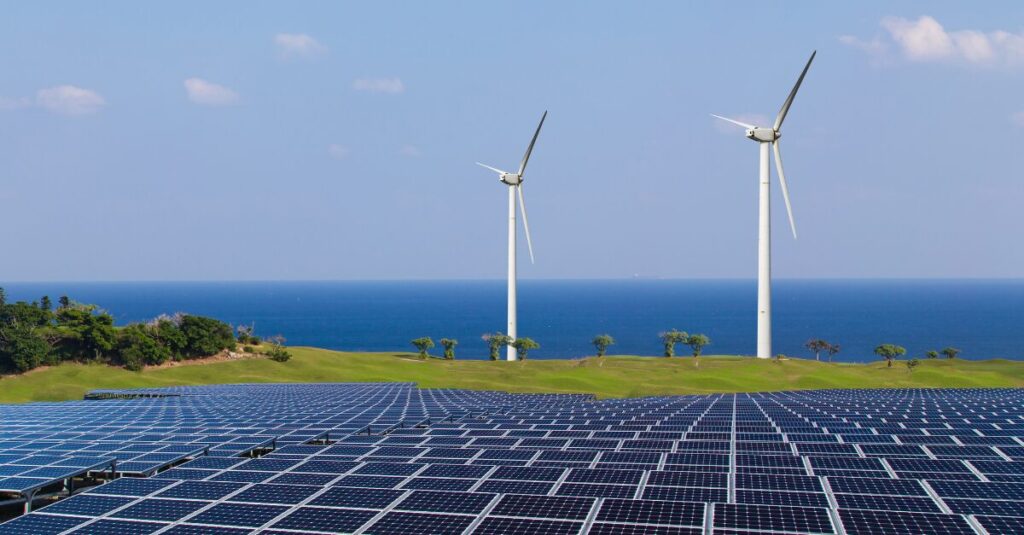
Australia’s energy transition is accelerating and the latest data confirms it. In Q1 2025, renewables supplied 43% of electricity across the National Electricity Market (NEM)—a new record for the first quarter and a clear sign that the energy transition is gaining momentum. This shift is driving changes in pricing, supply patterns and market participation. For […]
Labor’s Re-Election: What it Means for Energy Policy
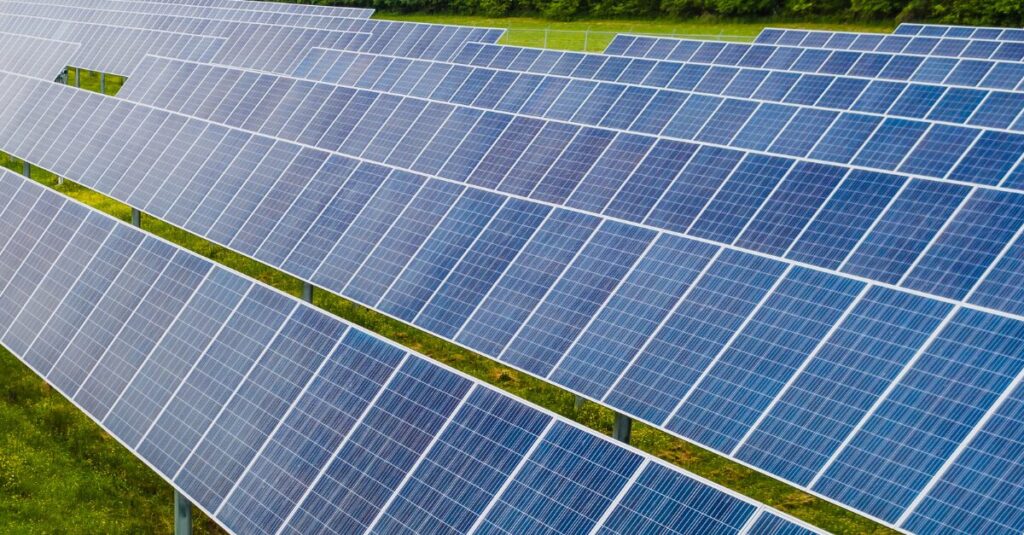
With the Labor government securing a second term, Australia’s energy landscape enters a new phase — one that promises continuity, but also accelerates reform. For commercial and industrial energy users, this means renewed investment in renewables, an evolving approach to gas security, and a stronger push for electrification and efficiency. But it’s not just about […]
Gas Policy in the Spotlight Ahead of the Election
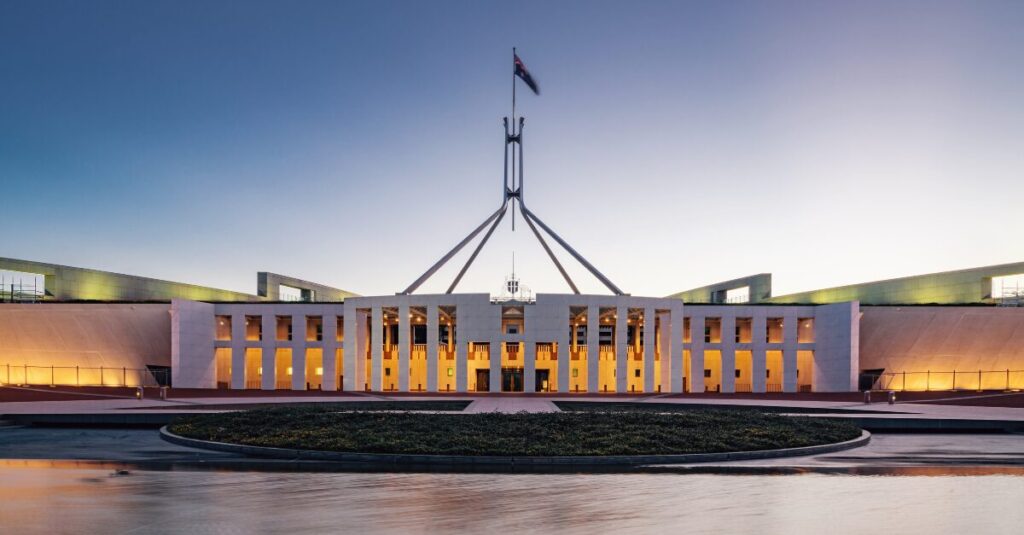
As Australians prepare to head to the polls, energy policy is once again shaping up as a key election issue—this time centred around the role of gas in the nation’s economic and energy future. With rising energy costs, supply constraints, and ongoing industry pressure, both major parties are presenting different approaches to managing gas—balancing climate […]
From Bids to Bills: How the NEM Sets Electricity Prices
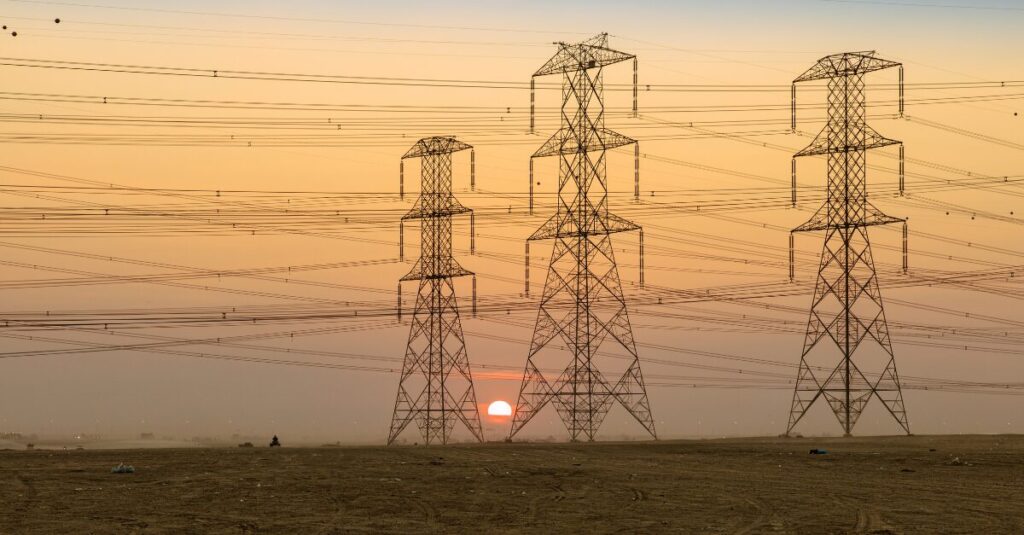
If you don’t spend your days poring over electricity prices, reading deep-dive analyses into Australia’s National Electricity Market (NEM) or chatting with your energy consultant about market forecasts, you can be forgiven for not knowing what Australia’s electricity spot market is. But if you have a curious mind, and a five-minute coffee break, then this […]
The Future of Gas: Market Risks & Policy Shifts
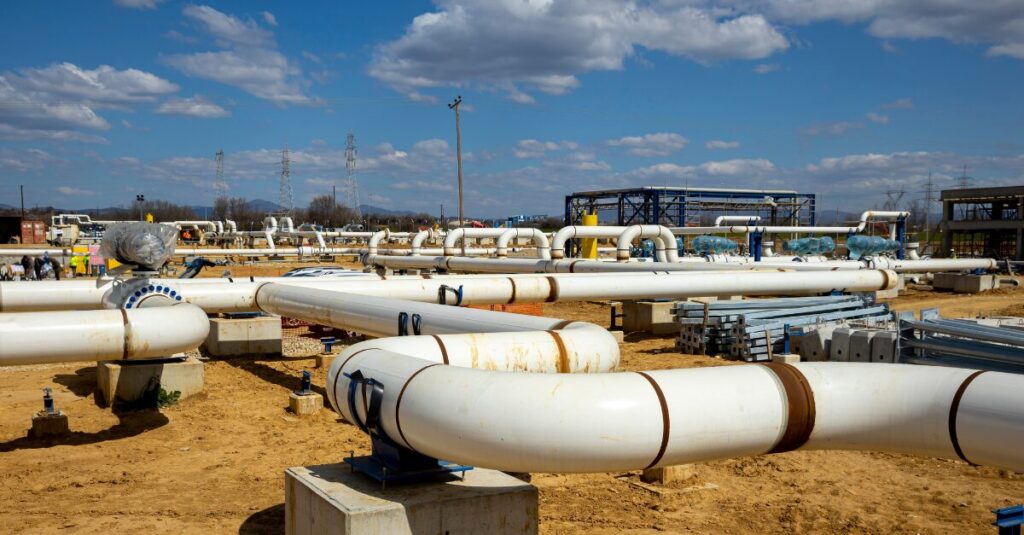
Australia’s gas market is under pressure. Structural supply issues, increasing volatility, and the growing risk of shortfalls are now being compounded by policy conversations that are rapidly evolving. Over the past fortnight alone, we’ve seen: From our position at Utilizer, as expert energy consultants, we see this evolving conversation as a clear signal to prepare. […]
Greenhouse Gas Emissions Report – Key Insights
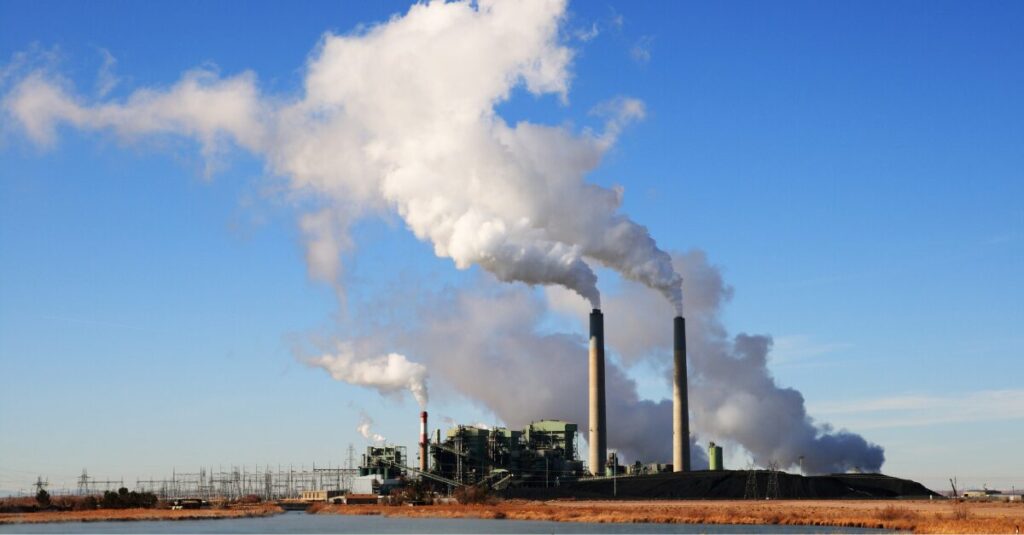
The Clean Energy Regulator (CER) has released the 2023–24 National Greenhouse and Energy Reporting (NGER) data, providing an overview of Australia’s greenhouse gas emissions and energy consumption trends. The data, published on 28 February 2025, highlights notable shifts in corporate emissions and energy use across sectors. National Greenhouse Gas Emissions For the 2023–24 reporting year, […]
Australia’s New Energy Tax Incentives
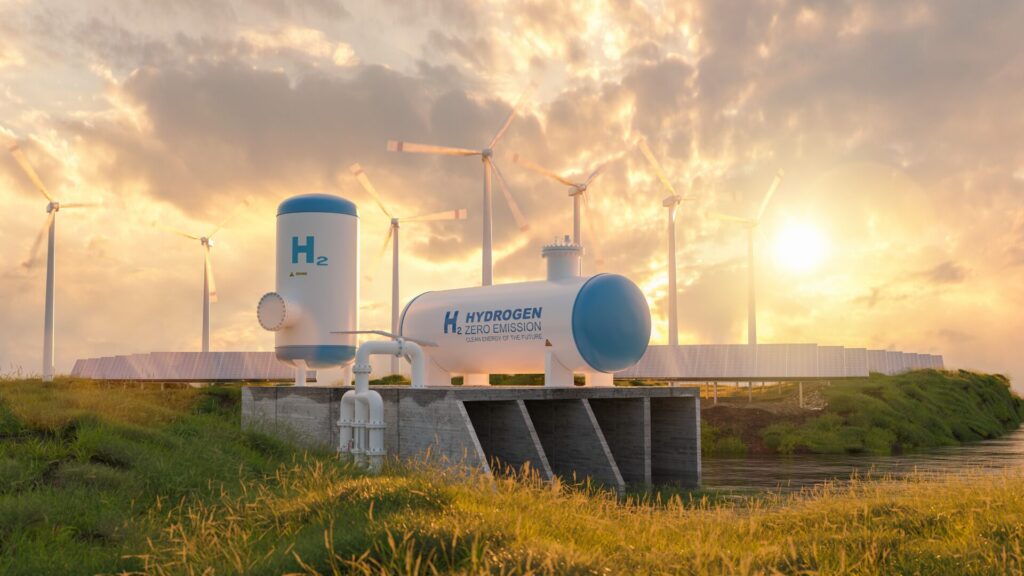
TL;DR The Australian government has introduced new tax incentives to boost investment in critical minerals and renewable hydrogen production. Eligible companies will be able to receive a refundable tax offset of 10% of the costs associated with processing and refining any of Australia’s 31 designated critical minerals. Producers of renewable hydrogen will be eligible for […]