
Australia’s Energy Transition: What Smart Businesses Need to Know in 2025
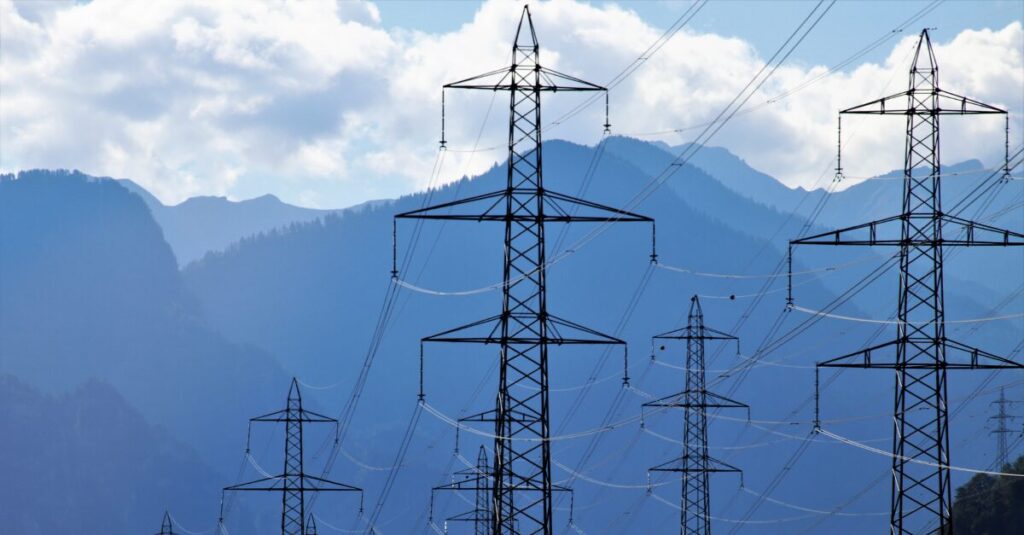
Australia’s energy transition is facing both pressure and progress. Yes, key infrastructure projects are running behind schedule. Coal remains a dominant force in the generation mix. And the pace of renewable rollout is falling short of what’s needed to hit national emissions targets. But momentum hasn’t disappeared. Investment continues. Technology is evolving. And behind the […]
Energy Transition Update: Renewables Reach 43% of Grid
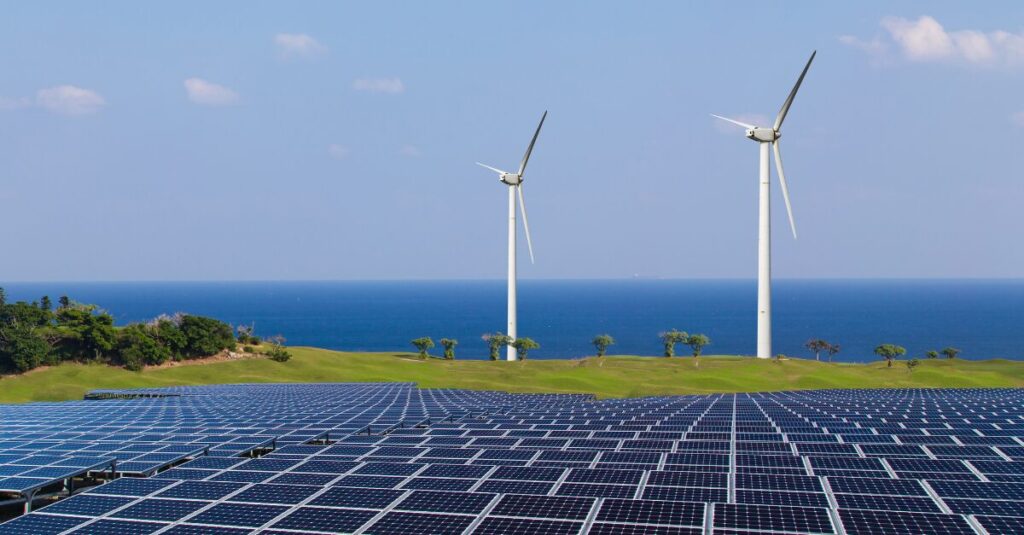
Australia’s energy transition is accelerating and the latest data confirms it. In Q1 2025, renewables supplied 43% of electricity across the National Electricity Market (NEM)—a new record for the first quarter and a clear sign that the energy transition is gaining momentum. This shift is driving changes in pricing, supply patterns and market participation. For […]
Gas Policy in the Spotlight Ahead of the Election
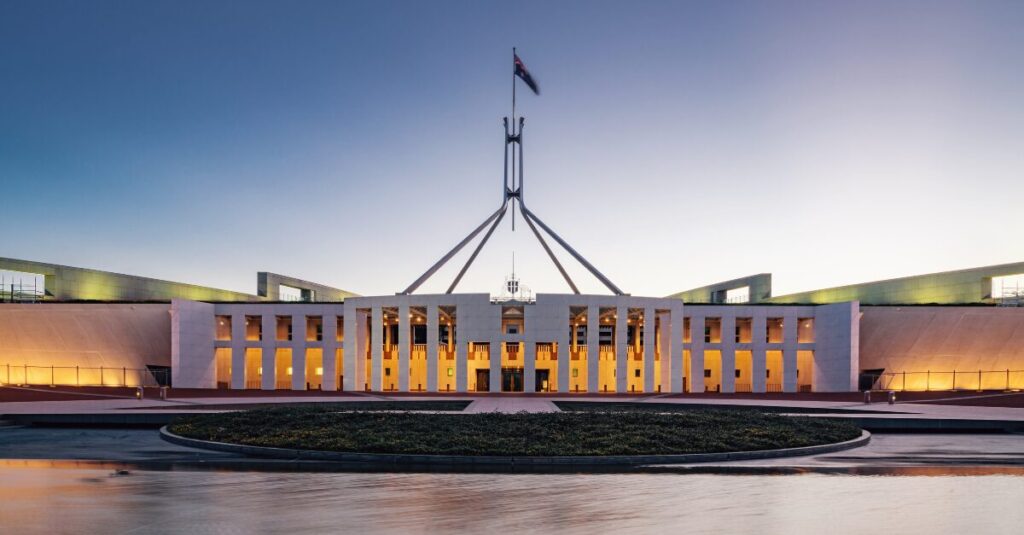
As Australians prepare to head to the polls, energy policy is once again shaping up as a key election issue—this time centred around the role of gas in the nation’s economic and energy future. With rising energy costs, supply constraints, and ongoing industry pressure, both major parties are presenting different approaches to managing gas—balancing climate […]
Why Choose an Energy Consultant for Your Business?
In today’s dynamic business environment, energy costs are a significant operational expense. As businesses strive to become more sustainable and reduce their carbon footprint, optimising energy usage has become a critical priority. Partnering with a professional energy consultant like Utilizer can help you navigate the complexities of the energy market, save money, enhance efficiency, and […]
Greenhouse Gas Emissions Report – Key Insights
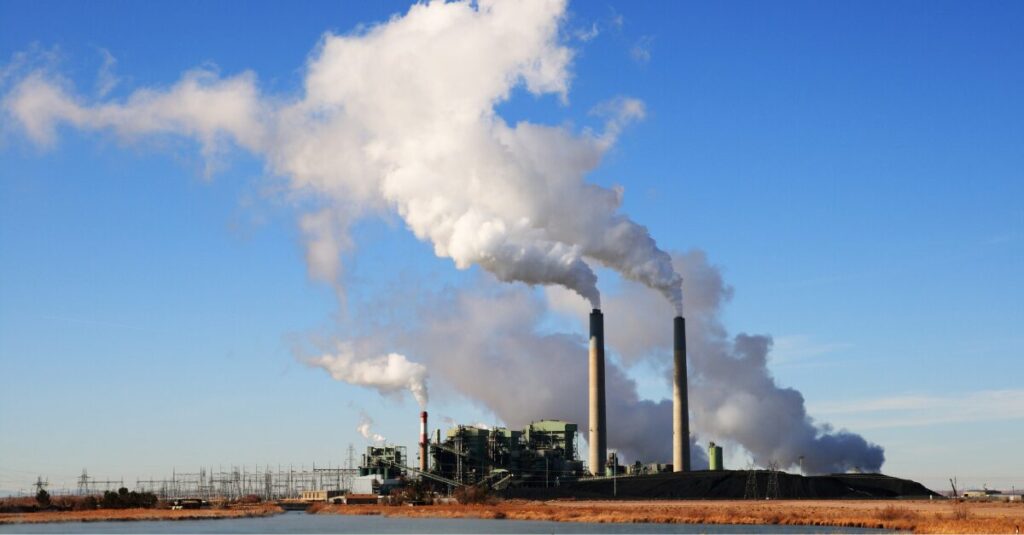
The Clean Energy Regulator (CER) has released the 2023–24 National Greenhouse and Energy Reporting (NGER) data, providing an overview of Australia’s greenhouse gas emissions and energy consumption trends. The data, published on 28 February 2025, highlights notable shifts in corporate emissions and energy use across sectors. National Greenhouse Gas Emissions For the 2023–24 reporting year, […]
Australia’s New Energy Tax Incentives
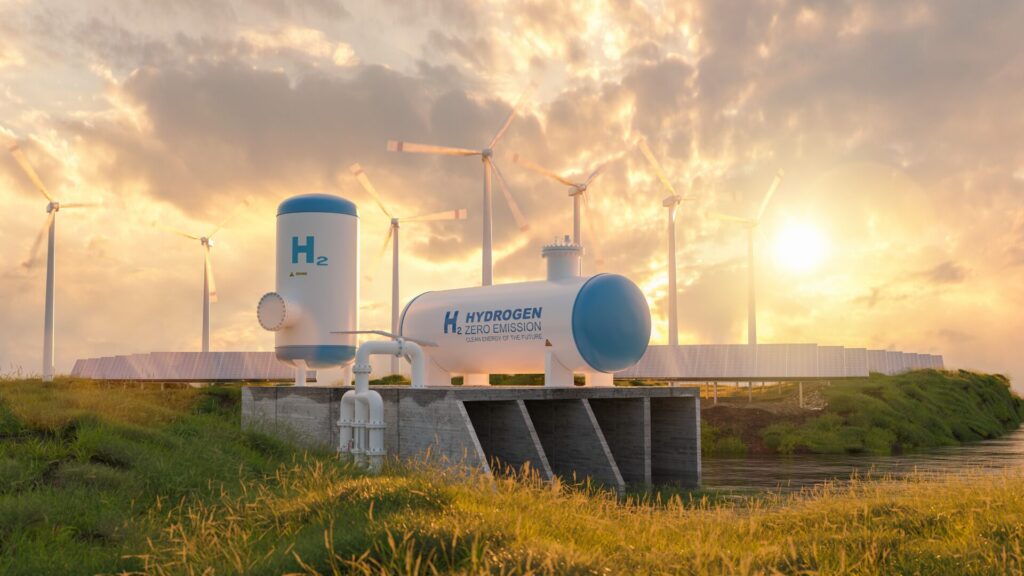
TL;DR The Australian government has introduced new tax incentives to boost investment in critical minerals and renewable hydrogen production. Eligible companies will be able to receive a refundable tax offset of 10% of the costs associated with processing and refining any of Australia’s 31 designated critical minerals. Producers of renewable hydrogen will be eligible for […]
Navigating Minimum & Maximum Demand
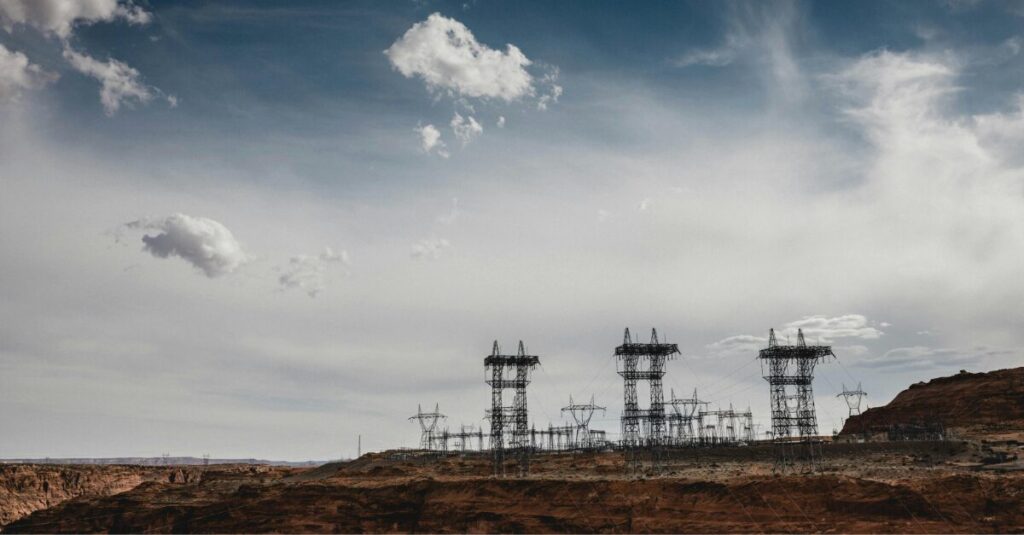
Australia’s energy grid is facing minimum demand records as renewable energy sources, energy storage systems, and increasing demand variability reshape the market. The rise of rooftop solar has lowered minimum demand, while extreme weather events push maximum demand to critical levels, stressing both ageing coal plants and renewables. Batteries offer flexibility but introduce new complexities, such as coordination and market dynamics.
Renewable Energy in Australia: Progress, Potential, and Pitfalls

TL;DR Australia’s renewable energy sector is making a global impact, with renewables already avoiding 200 million tonnes of greenhouse gas emissions—equivalent to taking 20 million cars off the road for two years or offsetting emissions from 260 million hectares of forest. While renewables now account for nearly 40% of Australia’s electricity mix, achieving deeper decarbonisation […]